


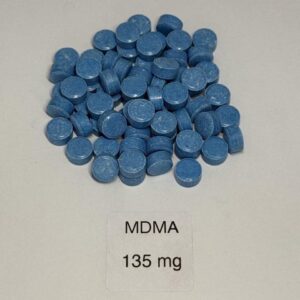
Buy MDMA 150mg Tablet Online
Buy MDMA 150mg Tablet Online, scientifically known as 3,4-methylenedioxymethamphetamine, is a psychoactive compound that affects the brain’s neurotransmitters. Often referred to as Ecstasy or Molly, MDMA produces stimulant and empathogenic effects that influence mood, perception, and emotional experiences.
Originally synthesized in the early twentieth century, MDMA has gained attention both in recreational contexts and in emerging medical research. While recreational use carries significant health risks, researchers have also explored MDMA’s potential role in carefully controlled clinical settings.
This article provides an educational overview of MDMA, including how it works in the body, its potential effects, risks, and current research developments.
What Is MDMA?
MDMA belongs to a class of substances known as entactogens, which are compounds that promote feelings of emotional openness and connection. It also has stimulant properties similar to those found in amphetamine-like substances.
The drug primarily affects three important brain chemicals:
-
Serotonin
-
Dopamine
-
Norepinephrine
These neurotransmitters play key roles in mood regulation, pleasure, energy, and emotional processing.
By increasing the release of serotonin, MDMA can produce feelings of empathy, emotional closeness, and heightened sensory perception.
Historical Background
MDMA was first synthesized in 1912 by the pharmaceutical company Merck during research into chemical compounds that could potentially control bleeding.
For decades the compound remained largely obscure until the 1970s, when some psychologists and therapists began exploring its possible use in psychotherapy. During this period, MDMA was studied for its potential to enhance emotional openness in therapy sessions.
However, concerns about recreational misuse eventually led authorities to regulate the drug strictly.
In 1985, the United States Drug Enforcement Administration classified MDMA as a Schedule I controlled substance, placing it in the same regulatory category as drugs considered to have high abuse potential and no accepted medical use at the time.
How MDMA Affects the Brain
MDMA primarily acts by increasing the release of serotonin in the brain. Serotonin plays a critical role in regulating mood, sleep, appetite, and emotional processing.
When serotonin levels rise dramatically, individuals may experience:
-
Increased feelings of happiness
-
Enhanced emotional sensitivity
-
Heightened sensory perception
-
Increased sociability
MDMA also increases dopamine levels, which contribute to the sense of pleasure and reward often associated with stimulant drugs.
However, these changes can also place significant stress on the brain’s neurochemical systems.
Short-Term Effects of MDMA
The effects of MDMA typically begin within 30 to 60 minutes after ingestion and may last several hours. Short-term effects vary depending on dosage, body chemistry, and environmental factors.
Psychological Effects
Common psychological effects may include:
-
Euphoria
-
Emotional warmth and empathy
-
Increased energy
-
Heightened sensory awareness
-
Altered perception of time
Some individuals also report increased feelings of trust and emotional openness.
Physical Effects
MDMA can also produce several physical effects, such as:
-
Increased heart rate
-
Elevated blood pressure
-
Dilated pupils
-
Jaw clenching or teeth grinding
-
Increased body temperature
These physiological responses occur because MDMA stimulates the nervous system.
Potential Risks and Side Effects
Although MDMA can produce feelings of pleasure and emotional connection, it also carries several health risks.
Short-Term Risks
Some short-term adverse effects include:
-
Dehydration
-
Overheating (hyperthermia)
-
Anxiety or panic
-
Nausea
-
Headaches
In crowded or hot environments, the risk of overheating may increase significantly.
Long-Term Risks
Repeated MDMA exposure may affect brain chemistry and mental health.
Potential long-term effects include:
-
Memory impairment
-
Mood disorders
-
Sleep disturbances
-
Depression
-
Anxiety
Scientists believe these effects may be linked to damage or depletion of serotonin-producing neurons.
Risk of Adulterated Substances
Another significant concern is that substances sold as MDMA may contain other chemicals. Illicit tablets or powders sometimes include:
-
Synthetic stimulants
-
Synthetic cathinones
-
Amphetamine-like compounds
These unknown ingredients can significantly increase the risk of dangerous reactions.
MDMA and Mental Health Research
Despite its risks, MDMA has recently attracted interest from scientists studying mental health treatments.
Research organizations such as the Multidisciplinary Association for Psychedelic Studies have conducted clinical trials investigating the potential use of MDMA-assisted psychotherapy.
One area of focus is Post-Traumatic Stress Disorder (PTSD). In controlled clinical settings, researchers study whether MDMA may help patients process traumatic memories more effectively during psychotherapy.
It is important to note that these studies are conducted under strict medical supervision and involve carefully controlled doses.
Legal Status Around the World
MDMA is classified as a controlled substance in many countries.
In the United States, MDMA remains a Schedule I drug under federal law. Similar restrictions exist in many other regions, including the European Union and parts of Asia.
These legal classifications reflect concerns about the drug’s abuse potential and safety risks.
Harm Reduction Awareness
Public health experts emphasize harm-reduction education to reduce risks associated with psychoactive substances.
Important harm-reduction principles include:
-
Avoiding unknown or unverified substances
-
Staying hydrated in warm environments
-
Being aware of potential drug interactions
-
Seeking medical help if severe symptoms occur
Education and awareness play a crucial role in reducing drug-related harm.
Signs of MDMA Overdose
An overdose can occur when the body is overwhelmed by the drug’s effects.
Symptoms may include:
-
Severe agitation
-
Extremely high body temperature
-
Rapid heartbeat
-
Confusion
-
Seizures
These symptoms require immediate medical attention.
The Importance of Responsible Drug Education
Understanding the risks and effects of substances like MDMA is essential for public health. Education allows individuals to make informed decisions and recognize dangerous situations.
Healthcare professionals, researchers, and educators continue to study MDMA to better understand both its risks and potential therapeutic applications.
Future Research Directions
Interest in psychedelic-assisted therapy has grown significantly in recent years. Scientists are exploring whether controlled psychedelic compounds may have benefits for mental health treatment.
MDMA research continues in carefully monitored clinical trials. These studies aim to determine whether the compound may eventually have legitimate medical applications under strict regulation.
However, until more evidence is available and regulatory approval is granted, MDMA remains a controlled substance in most parts of the world.
Conclusion
MDMA is a powerful psychoactive compound that affects brain chemistry by increasing serotonin, dopamine, and norepinephrine levels. While it may produce feelings of euphoria and emotional openness, it also carries significant health risks and legal restrictions.
Ongoing scientific research is exploring whether MDMA-assisted therapy may provide benefits for certain mental health conditions in controlled medical environments. However, outside of regulated research settings, MDMA remains an illegal substance in many countries.
Education, awareness, and responsible decision-making are essential when discussing substances that affect mental health and brain function.
Be the first to review “Buy MDMA 150mg Tablet Online”
Related products

Pharmaceuticals

Pharmaceuticals
Pharmaceuticals

Uncategorized
Pharmaceuticals

Pharmaceuticals

Pharmaceuticals

Uncategorized
Reviews
There are no reviews yet.