
Blog
XTC 300mg: Complete Guide to Effects Risks and Safety
Jul
XTC 300mg: Complete Guide to Effects Risks and Safety
XTC is a common name associated with ecstasy, a recreational drug typically containing MDMA (3,4-methylenedioxymethamphetamine). It is often associated with feelings of increased energy, emotional closeness, euphoria, and heightened sensory experiences. However, products sold as “XTC 300mg” can present significant risks because the stated strength may not accurately reflect the actual contents or amount of MDMA present.
Understanding what XTC is, how MDMA affects the body, and the potential risks is important for anyone researching the subject. This complete guide provides general information about XTC 300mg, including effects, side effects, interactions, contamination concerns, and when emergency medical help may be necessary.
What Is XTC?
XTC 300mg: Complete Guide to Effects Risks and Safety. XTC is a street term commonly used for ecstasy or MDMA. MDMA is a psychoactive substance that affects several neurotransmitter systems in the brain, particularly serotonin, dopamine, and norepinephrine.
Its effects can include elevated mood, increased sociability, emotional warmth, greater alertness, and altered perception. Because illicitly sold tablets, capsules, or powders are not consistently manufactured or regulated, products marketed under the same name can vary substantially in composition.
This is especially important when a product is labeled “300mg.” A label or seller’s claim should not automatically be interpreted as proof that the product contains exactly 300mg of MDMA.

What Does “300mg” Mean?
The “300mg” designation generally refers to the claimed amount of active substance in a product. However, illicit recreational drugs can have unreliable labeling. A tablet advertised as containing a particular amount may contain considerably more, considerably less, or entirely different substances.
Some products sold as ecstasy have been found to contain other stimulants or psychoactive compounds. Certain substances can have different effects and risks from MDMA, making assumptions based solely on appearance, branding, or dosage claims particularly dangerous.
For this reason, it is important not to treat a “300mg” label as a verified measurement.
Common Effects of MDMA
MDMA can affect both mental and physical functioning. Reported short-term effects may include:
- Euphoria and elevated mood
- Increased energy and alertness
- Greater feelings of empathy or emotional closeness
- Increased sociability
- Heightened sensory experiences
- Increased heart rate
- Increased body temperature
- Jaw clenching or muscle tension
- Reduced appetite
- Sweating and dehydration
The intensity and duration of effects can vary considerably depending on the substance involved, individual physiology, other medications or drugs, and environmental conditions.
Potential Side Effects and Risks
Although MDMA is sometimes perceived as relatively harmless in recreational settings, it can produce serious complications.
Short-term problems may include anxiety, panic, confusion, nausea, vomiting, rapid heartbeat, high blood pressure, overheating, and impaired judgment. In severe situations, MDMA toxicity can contribute to seizures, dangerous changes in body temperature, irregular heart rhythms, loss of consciousness, or death.
Another concern is serotonin toxicity, particularly when MDMA is combined with other substances that increase serotonin activity. This can cause agitation, confusion, sweating, muscle rigidity, tremor, fever, and other potentially life-threatening symptoms.
Why Product Strength Matters
A product advertised as XTC 300mg may carry additional uncertainty because a high claimed strength does not necessarily indicate a predictable or standardized product.
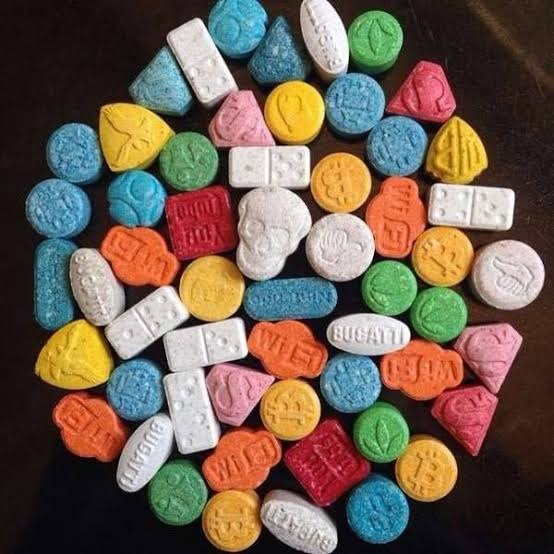
Illicit drugs do not undergo the quality-control processes used for approved medicines. There may be variation between batches, and tablets with similar colors, logos, or shapes may contain different ingredients.
Consequently, visual identification cannot reliably establish what a tablet contains.
Mixing XTC With Other Substances
Combining MDMA with other drugs or medications can increase the possibility of dangerous reactions.
Particular concern exists with substances that affect serotonin, including some antidepressants and other prescription or recreational drugs. Combining stimulants can also place additional strain on the cardiovascular system.
Alcohol can further complicate recreational drug use by contributing to dehydration, impaired judgment, and other health risks. Anyone taking prescription medication should speak with a qualified healthcare professional about potential interactions rather than assuming that recreational substances are safe to combine with their medicines.
Overheating and Hydration Concerns
MDMA can interfere with the body’s ability to regulate temperature. Dancing, exercising, crowded environments, hot weather, and prolonged physical activity can increase the risk of overheating.
At the same time, drinking excessive amounts of water can also be dangerous because MDMA may alter the body’s ability to manage fluid balance. Severe water intoxication, known as hyponatremia, can cause confusion, seizures, and potentially fatal complications.
There is therefore no universally safe amount of fluid that applies to everyone. Avoiding excessive physical exertion and seeking medical help when symptoms become concerning are more important than following simplistic hydration rules.
Signs of a Medical Emergency
Someone experiencing a serious reaction to MDMA or an unknown substance may show symptoms such as:
- Very high body temperature
- Severe confusion or agitation
- Fainting or loss of consciousness
- Seizures
- Difficulty breathing
- Severe chest pain
- Persistent vomiting
- Extreme muscle rigidity
- Severe headache or unusual behavior
These symptoms should be treat as a medical emergency. Contact local emergency medical services immediately and provide healthcare professionals with as much information as possible about what was take.
Mental Health and After-Effects
Some people experience an unpleasant period after MDMA use. Possible after-effects include tiredness, low mood, anxiety, irritability, difficulty concentrating, and disrupted sleep.
These effects may be particularly difficult for people who already experience mental health challenges. Persistent or severe changes in mood, sleep, or behavior should be discussed with a healthcare professional.
Final Thoughts on XTC 300mg
XTC 300mg is a term commonly associate with a high-strength ecstasy or MDMA product, but the state strength and contents of illicit products cannot be assume to be accurate. MDMA can produce significant psychological and physical effects, and unexpect ingredients can introduce additional risks.
The safest approach is to avoid illicit or unknow substances. Anyone who has already take a substance and develops severe symptoms should seek emergency medical attention rather than attempting to manage the situation alone.
Understanding the uncertainty surrounding product strength, possible contamination, drug interactions, overheating, and serious adverse effects can help people make more informe decisions and recognize when urgent medical care is need.
