
Blog
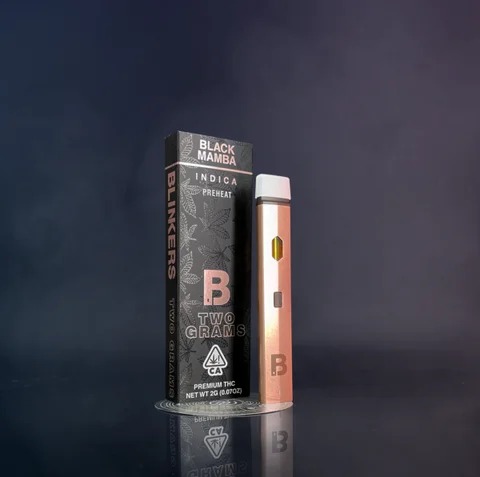
Blinkers Disposable Vape 2G: A Practical Product Guide
Aug
Blinkers Disposable Vape 2G: A Practical Product Guide
Blinkers Disposable Vape 2G: A Practical Product Guide. The Blinkers Disposable Vape 2G represents a compact, ready-to-use vaping format designed around convenience and portability. Disposable vape devices generally combine an integrated battery, pre-filled liquid chamber, heating element, and mouthpiece in a single unit. This design removes the need for separate tanks, coils, or refill bottles.
For anyone researching Blinkers Disposable Vape 2G, understanding the basic device format, specifications, usage considerations, storage requirements, and responsible disposal practices provides useful context before making any decision.
What Is a Blinkers Disposable Vape 2G?
A Blinkers Disposable Vape 2G is a disposable vaping device associated with a 2-gram liquid capacity. The exact contents, nicotine concentration, flavor options, and device specifications can vary according to the particular product and market.
Unlike refillable vape systems, a disposable device comes as an integrated unit. Users generally do not need to assemble separate components. The device typically contains its own battery and pre-filled chamber, allowing the heating system to operate without additional liquid or coil installation.
Because specifications can differ between versions, checking the packaging and manufacturer information is important.

Main Features of a Disposable Design
The disposable format focuses on simplicity. A typical device can include several integrated components:
- Pre-filled liquid chamber
- Built-in rechargeable or non-rechargeable battery, depending on model
- Internal heating element
- Mouthpiece
- Compact outer housing
- Airflow system
The 2G designation generally refers to the amount of vape liquid contained in the device rather than battery capacity or nicotine strength. Consumers should therefore avoid assuming that “2G” automatically indicates a particular nicotine concentration or number of uses.
Portability and Convenience
One reason disposable vaping devices attract attention is their compact design. A small integrated device can be easier to carry than a larger refillable setup with separate accessories.
The lack of external tanks and replacement coils also makes the format relatively straightforward from a hardware perspective. However, convenience does not remove the need to understand the product’s ingredients, nicotine content, applicable regulations, and safe handling instructions.
For individuals who do not already use nicotine products, starting vaping is not considered a risk-free choice.
Understanding the Contents
The ingredients inside a vape can depend on the specific formulation. Vape liquids commonly contain a combination of carrier ingredients, flavoring substances, and, where applicable, nicotine.
The product label should provide relevant information about the formulation and nicotine concentration. If the packaging does not clearly identify the contents, consumers should exercise caution rather than rely on assumptions based on the product name alone.
Nicotine is addictive, and products containing nicotine can create dependence. People who do not use nicotine should avoid beginning its use.
How the Device Generally Works
Disposable vape devices operate through a simple heating process. When the device detects inhalation, the battery supplies power to the heating element. The element heats the liquid and produces an aerosol that the user inhales.
Many modern disposable devices use an automatic draw system, so there is no traditional power button. Other designs can include activation controls.
The exact operating mechanism depends on the model, so users should follow the instructions supplied with the individual device rather than relying solely on general information.
Storage and Handling
Appropriate storage can help protect the device from unnecessary damage. Disposable vape devices should generally remain in a cool, dry location away from excessive heat and direct sunlight.
They should also be kept away from children and pets. Vape liquid can be harmful if swallowed or exposed to the skin or eyes. Damaged, leaking, swollen, or unusually hot devices should not be used.
A device should never be modified, punctured, opened, or exposed to extreme temperatures.
Battery Safety
Although disposable devices are compact, they contain batteries and therefore require sensible handling. Users should avoid carrying damaged devices loose with keys, coins, or other metal objects that can potentially contact electrical components.
If a particular model includes a charging port, users should follow the manufacturer’s charging instructions and use compatible charging equipment. Charging should not take place on combustible surfaces or in environments exposed to excessive heat.
A device showing signs of battery damage should be removed from use.
Responsible Disposal
Disposable vape devices should not simply be treated as ordinary household waste because they can contain batteries and electronic components.
Local waste-management rules determine the appropriate disposal method. Where available, designated electronic-waste or battery-recycling facilities can provide a safer disposal route.
Users should avoid burning, crushing, puncturing, or dismantling disposable vape devices.
Checking Product Information
Before using any vaping product, checking the packaging provides important information. Look for details such as manufacturer information, ingredients, nicotine concentration, batch information, warnings, and applicable regulatory information.
Authenticity can also matter because counterfeit or improperly labeled products may not provide reliable information about their contents.
Purchasing decisions should rely on verifiable product information rather than claims made solely through advertisements or social media posts.
Final Thoughts
Blinkers Disposable Vape 2G fits into the broader category of compact disposable vaping devices that combine liquid, battery, heating hardware, and mouthpiece in one unit. Its 2G designation generally describes liquid capacity, while other specifications such as nicotine strength, battery configuration, flavors, and activation method depend on the specific version.
Understanding what the device contains, how disposable hardware operates, how to store it safely, and how to dispose of it responsibly helps consumers make better-informed decisions. Most importantly, nicotine is addictive, and vaping carries health risks. People who do not currently use nicotine should avoid starting, while existing users can consider evidence-based resources for reducing or stopping nicotine use.
