
Blog
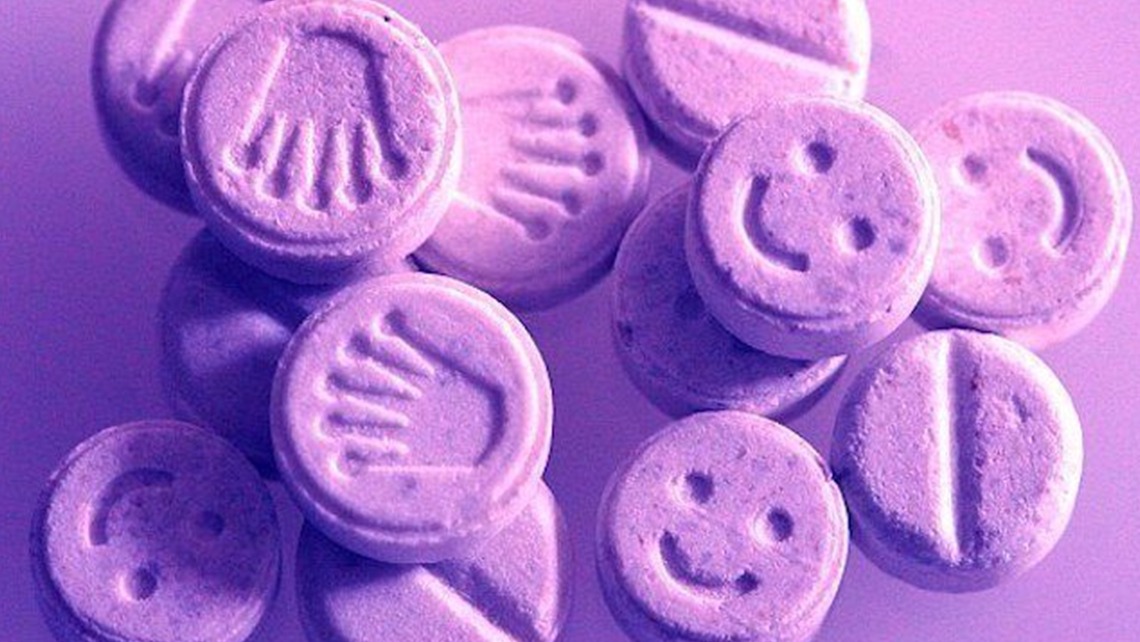
MDMA 150mg Tablet: Everything Beginners Should Know First
Mar
MDMA 150mg Tablet: Everything Beginners Should Know First
MDMA, often referred to as ecstasy or molly, is a psychoactive substance that has gained widespread attention in nightlife settings, music festivals, and popular culture. While it is sometimes associated with feelings of euphoria and emotional openness, it is important for beginners to understand that MDMA carries significant risks—especially when used without proper knowledge or precautions.
This guide aims to provide a clear, honest, and responsible overview of what a 150mg MDMA tablet is, how it affects the body and mind, and what first-time users should consider before making any decisions.

What Is MDMA?
MDMA 150mg Tablet: Everything Beginners Should Know First. MDMA stands for 3,4-methylenedioxymethamphetamine. It is a synthetic drug that acts as both a stimulant and a hallucinogen. This means it can increase energy levels while also altering perception, mood, and sensory experiences.
MDMA primarily works by increasing the activity of neurotransmitters in the brain, particularly serotonin, dopamine, and norepinephrine. Serotonin plays a major role in mood regulation, which is why MDMA is often linked to feelings of happiness, empathy, and emotional warmth.
Understanding a 150mg Dose
A 150mg MDMA tablet is generally considered a moderate to high dose, especially for beginners. Dosage plays a critical role in how the drug affects an individual.
For someone with no prior experience, 150mg may:
- Produce strong effects
- Increase the likelihood of side effects
- Raise the risk of overheating, dehydration, or anxiety
It’s important to note that tablets sold as “150mg” may not always contain accurate amounts, as unregulated substances can vary widely in purity and composition.
Common Effects of MDMA
Positive Effects (Short-Term)
Users often report:
- Intense feelings of happiness or euphoria
- Emotional closeness and empathy toward others
- Heightened sensory perception (music, lights, touch)
- Increased energy and alertness
These effects typically begin within 30–60 minutes after ingestion and may last 4–6 hours.
Negative Effects and Risks
Despite its perceived positive effects, MDMA also comes with a range of potential downsides:
Physical Effects
- Increased heart rate and blood pressure
- Jaw clenching or teeth grinding
- Sweating and dehydration
- Nausea or dizziness
Psychological Effects
- Anxiety or panic attacks
- Confusion or disorientation
- Mood swings
After-Effects (“Comedown”)
After the drug wears off, users may experience:
- Fatigue
- Depression or low mood
- Irritability
- Difficulty sleeping
Serious Health Risks
MDMA is not without serious dangers, especially at higher doses like 150mg:
1. Overheating (Hyperthermia)
MDMA can disrupt the body’s ability to regulate temperature, especially in crowded or hot environments like clubs or festivals.
2. Dehydration or Overhydration
While dehydration is common, drinking excessive water without electrolytes can also be dangerous.
3. Serotonin Syndrome
Excess serotonin can lead to a potentially life-threatening condition, especially if MDMA is combined with other substances like antidepressants.
4. Unknown Ingredients
Illicit MDMA tablets may contain other substances, including stimulants or harmful chemicals, increasing unpredictability and risk.
Mental Health Considerations
MDMA can have a significant impact on mental health. Individuals with a history of:
- Depression
- Anxiety disorders
- Bipolar disorder
may be more vulnerable to negative psychological effects.
Repeated use can also affect serotonin levels long-term, potentially leading to persistent mood issues.
Harm Reduction Tips
While the safest choice is to avoid drug use altogether, harm reduction focuses on minimizing risks for those who may still choose to use.
Some general harm-reduction principles include:
- Avoid mixing MDMA with alcohol or other drugs
- Stay in a cool, well-ventilated environment
- Take breaks from dancing or physical activity
- Sip water regularly, but don’t overdo it
- Be aware of your body and how you feel
Testing substances (where legal and available) can also reduce the risk of unknowingly consuming harmful additives.
Legal Status
MDMA is classified as an illegal substance in many countries, including India, the United States, and the United Kingdom. Possession, distribution, or manufacturing can result in severe legal consequences, including fines and imprisonment.
Myths vs. Reality
Myth: MDMA is always safe if taken occasionally
Reality: Even occasional use can carry risks, especially at higher doses or in unsafe environments.
Myth: “Molly” is pure and safer
Reality: Many products sold as molly are adulterated with other substances.
Myth: Everyone reacts the same way
Reality: Effects vary widely depending on body chemistry, environment, and mental state.
Final Thoughts
MDMA is often portrayed as a “feel-good” substance, but it is important for beginners to approach it with caution and awareness. A 150mg tablet is not a mild introduction and may pose increased risks, especially for those unfamiliar with its effects.
Understanding the potential consequences—both short-term and long-term—can help individuals make more informed decisions. Education, awareness, and safety should always come first.
