
Blog
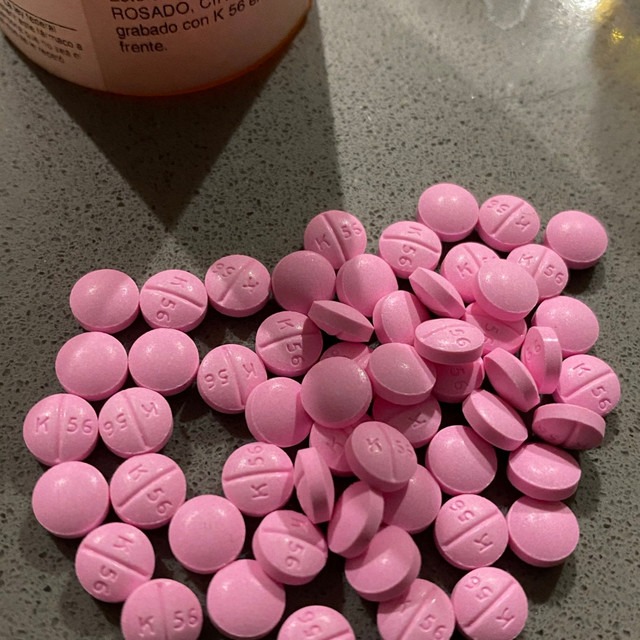
The Role of Oxycodone K56 Tablets in Treating Chronic Pain
Mar
The Role of Oxycodone K56 Tablets in Treating Chronic Pain
The Role of Oxycodone K56 Tablets in Treating Chronic Pain. Chronic pain is a complex and often debilitating condition that affects millions of people worldwide. Unlike acute pain, which typically resolves once an injury heals, chronic pain can persist for months or even years, significantly impacting quality of life. For patients who do not respond adequately to non-opioid treatments, medications like oxycodone may be prescribed under strict medical supervision.
Among various formulations, oxycodone tablets marked with “K56” are one of the immediate-release options used in pain management. Understanding how these medications work, their benefits, and their risks is essential for both patients and caregivers.

Understanding Chronic Pain
Chronic pain is generally defined as pain lasting longer than three months. It can result from conditions such as:
- Arthritis
- Nerve damage (neuropathy)
- Cancer-related pain
- Back injuries
- Fibromyalgia
This type of pain doesn’t just affect the body—it can also impact mental health, leading to anxiety, depression, and sleep disturbances. Because of its complexity, treatment often requires a comprehensive, multi-modal approach.
What Is Oxycodone?
Oxycodone is a prescription opioid analgesic used to manage moderate to severe pain. It works by binding to opioid receptors in the brain and spinal cord, altering how the body perceives pain.
Oxycodone is available in different forms, including:
- Immediate-release tablets (like K56)
- Extended-release formulations
- Combination products with other pain relievers
The K56 tablet is typically an immediate-release version, meaning it acts quickly to relieve pain but has a shorter duration compared to extended-release forms.
How K56 Tablets Help in Pain Management
1. Rapid Pain Relief
Immediate-release oxycodone tablets such as K56 are often prescribed for breakthrough pain—sudden flare-ups that occur even when a patient is on long-term pain medication.
2. Improved Functionality
When used correctly under medical guidance, oxycodone can help patients regain the ability to perform daily activities that chronic pain may have limited.
3. Support in Severe Cases
For individuals with severe or cancer-related pain, opioids may provide relief when other medications (like NSAIDs or acetaminophen) are insufficient.
Proper Use and Medical Supervision
Oxycodone is a powerful medication that must only be used under a doctor’s prescription. Physicians typically:
- Start with the lowest effective dose
- Monitor the patient’s response closely
- Adjust dosage as needed
- Evaluate risks versus benefits regularly
Patients are advised to follow instructions carefully and never alter their dosage without consulting their healthcare provider.
Risks and Side Effects
While oxycodone can be effective, it carries significant risks, especially when misused.
Common Side Effects
- Drowsiness
- Constipation
- Nausea
- Dizziness
Serious Risks
- Respiratory depression (slow or stopped breathing)
- Dependence and addiction
- Overdose
Because of these risks, oxycodone is classified as a controlled substance in many countries.
Dependence and Addiction Concerns
One of the most important considerations with opioids is the potential for dependence. Long-term use can lead to physical reliance, meaning the body adapts to the drug.
Addiction, a more severe condition, involves compulsive use despite harmful consequences. This is why healthcare providers carefully screen patients and monitor usage.
Signs of potential misuse include:
- Taking higher doses than prescribed
- Seeking early refills
- Using the medication for non-pain-related reasons
If any of these signs appear, medical attention should be sought immediately.
Alternatives to Opioid Treatment
Before prescribing opioids like oxycodone, doctors often explore other treatment options, including:
Non-Opioid Medications
- Acetaminophen
- NSAIDs (e.g., ibuprofen)
- Antidepressants for nerve pain
Physical Therapies
- Exercise programs
- Massage therapy
- Physiotherapy
Psychological Approaches
- Cognitive Behavioral Therapy (CBT)
- Stress management techniques
Interventional Procedures
- Nerve blocks
- Injections
A combination of these methods can often reduce or eliminate the need for opioids.
Safe Usage Guidelines
If prescribed oxycodone K56 tablets, patients should follow these safety tips:
- Take exactly as directed by your doctor
- Avoid alcohol and other sedatives
- Do not drive or operate heavy machinery if drowsy
- Store medication securely away from others
- Dispose of unused tablets properly
Never share prescription medication with others, even if they have similar symptoms.
The Importance of Patient Education
Education plays a crucial role in safe opioid use. Patients should feel comfortable discussing:
- Pain levels and treatment effectiveness
- Side effects
- Concerns about dependence
- Alternative therapies
Open communication with healthcare providers ensures better outcomes and reduces risks.
Conclusion
Oxycodone K56 tablets can play a valuable role in managing chronic pain when used responsibly and under strict medical supervision. They offer fast-acting relief for patients who may not benefit from other treatments, helping improve comfort and daily functioning.
However, due to the potential risks—including dependence, addiction, and serious side effects—these medications must be approached with caution. A balanced pain management plan that includes non-opioid therapies, lifestyle changes, and ongoing medical evaluation is often the most effective strategy.
If you or someone you know is dealing with chronic pain, consult a qualified healthcare provider to explore safe and appropriate treatment options tailored to individual needs.
