
Blog
OxyContin K9 30mg: Safety Considerations and Best Practices

Mar
OxyContin K9 30mg: Safety Considerations and Best Practices
OxyContin K9 30mg is a formulation of oxycodone, a powerful opioid analgesic prescribed for managing severe, chronic pain. While it can offer significant relief for patients who have not responded to other treatments, it also carries substantial risks. Understanding how to use this medication safely—and recognizing its potential dangers—is essential for both patients and caregivers.
This guide explores the key safety considerations and best practices associated with OxyContin K9 30mg, helping promote informed and responsible use.
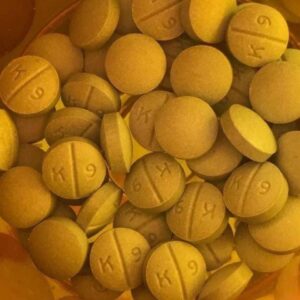
What Is OxyContin K9 30mg?
OxyContin is a brand of extended-release oxycodone designed to provide long-lasting pain relief. It is typically prescribed for patients who require continuous, around-the-clock opioid therapy.
The “K9 30mg” designation often refers to a specific tablet imprint and dosage strength of oxycodone hydrochloride. At 30 mg, it is considered a relatively strong dose, generally reserved for individuals with established opioid tolerance.
Because it is an opioid, OxyContin works by binding to receptors in the brain and nervous system, reducing the perception of pain. However, this same mechanism also contributes to its risks of dependence and misuse.
Key Safety Risks
1. Addiction, Abuse, and Dependence
One of the most significant concerns with OxyContin K9 30mg is its high potential for addiction. Even when taken as prescribed, opioid medications can lead to physical and psychological dependence.
Patients with a history of substance use disorder or mental health conditions may be at increased risk. Long-term use can also result in tolerance, requiring higher doses to achieve the same effect—further increasing danger.
2. Respiratory Depression
Opioids can slow or suppress breathing, which can be life-threatening. This risk is especially high:
- When starting treatment
- After dose increases
- When combined with other depressants
Severe respiratory depression can lead to coma or death if not treated promptly.
3. Overdose Risk
OxyContin is a long-acting formulation, meaning it releases oxycodone over time. Misuse—such as crushing, chewing, or dissolving the tablet—can release the full dose at once, leading to overdose.
Even a single accidental ingestion, especially by children, can be fatal.
4. Drug Interactions
Combining OxyContin K9 30mg with other substances can dramatically increase risks. Dangerous interactions may occur with:
- Alcohol
- Benzodiazepines (e.g., anxiety medications)
- Other opioids
- Certain antibiotics or antifungals
These combinations can result in extreme sedation, breathing problems, or death.
5. Common Side Effects
Like all medications, oxycodone may cause side effects. Common ones include:
- Constipation
- Drowsiness
- Nausea
- Dizziness
- Dry mouth
More serious effects—such as confusion, low blood pressure, or seizures—can occur in some cases.
Best Practices for Safe Use
1. Follow Prescriptions Strictly
Always take OxyContin exactly as prescribed. Do not:
- Increase your dose without medical advice
- Take it more frequently than directed
- Use it for non-prescribed purposes
Deviation from prescribed use significantly increases the risk of harm.
2. Never Alter the Tablet
Extended-release tablets must be swallowed whole. Crushing or chewing them can release a potentially fatal dose all at once.
3. Avoid Alcohol and Sedatives
Mixing OxyContin with alcohol or sedatives is extremely dangerous. This combination can amplify sedation and respiratory depression, increasing the risk of overdose.
4. Monitor for Warning Signs
Seek immediate medical attention if you notice:
- Slow or irregular breathing
- Extreme drowsiness or inability to wake
- Confusion or hallucinations
- Blue lips or fingernails
These may indicate overdose or severe adverse reactions.
5. Store Medication Safely
Keep OxyContin in a secure place, out of reach of children or others. Accidental ingestion can be fatal, and opioids are often targeted for misuse.
6. Dispose of Unused Medication Properly
Unused opioids should be disposed of through authorized take-back programs or as directed by healthcare providers. Proper disposal helps prevent misuse and environmental harm.
7. Discuss Naloxone Availability
Naloxone is a medication that can reverse opioid overdose. Patients using high-dose opioids like OxyContin K9 30mg should consider having naloxone available and ensure family members know how to use it.
Who Should Avoid OxyContin?
OxyContin may not be suitable for individuals with:
- Severe respiratory conditions
- Acute asthma without monitoring
- Gastrointestinal obstruction
- Known hypersensitivity to oxycodone
Pregnant individuals should also consult healthcare providers, as prolonged opioid use can lead to neonatal withdrawal syndrome in newborns.
Responsible Use and Long-Term Considerations
Long-term opioid therapy requires ongoing evaluation. Healthcare providers typically:
- Assess pain relief and quality of life
- Monitor for signs of misuse
- Adjust dosage or explore alternatives when needed
Patients should maintain open communication with their healthcare provider and report any concerns promptly.
Conclusion
OxyContin K9 30mg can be an effective solution for managing severe, chronic pain—but it must be used with caution and responsibility. Its potential for addiction, overdose, and serious side effects makes proper education and adherence to medical guidance essential.
By understanding the risks and following best practices—such as taking the medication as prescribed, avoiding dangerous combinations, and monitoring for warning signs—patients can significantly reduce the likelihood of harm.
Ultimately, safe use of OxyContin is a shared responsibility between patients and healthcare providers. With informed decision-making and vigilant care, it is possible to balance effective pain management with safety and well-being.
