
Blog
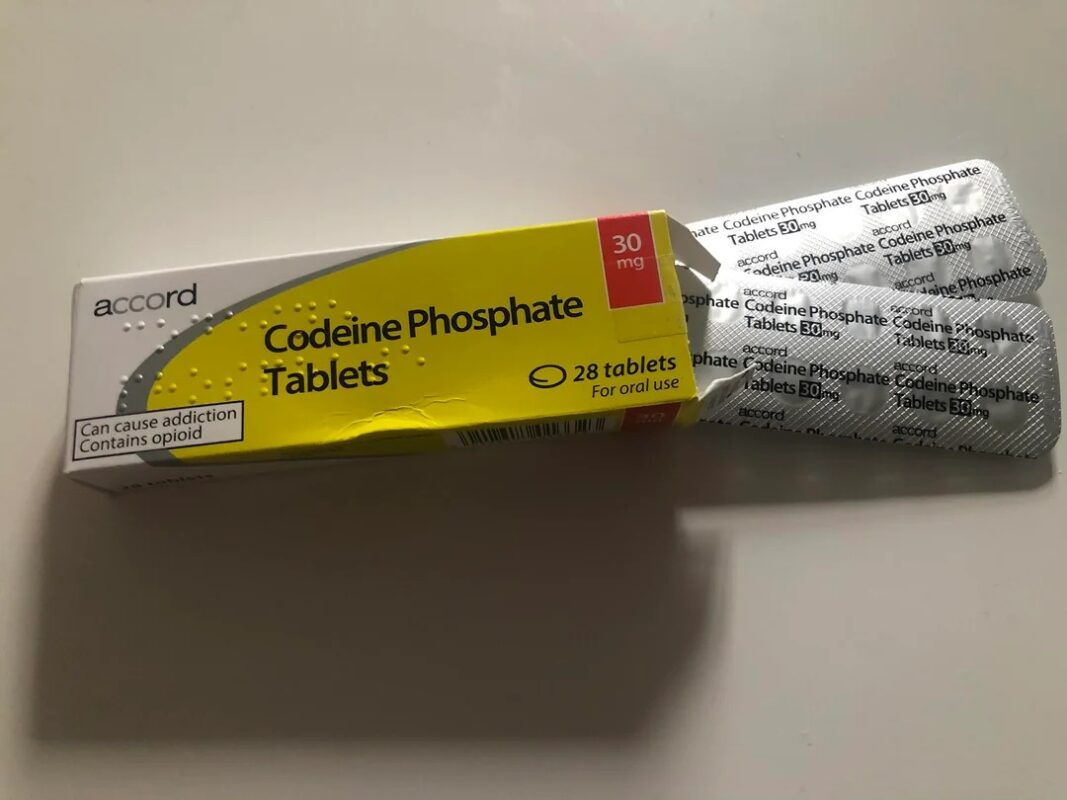
The Ultimate Safety Guide to Accord Codeine Phosphate 30mg
Mar
The Ultimate Safety Guide to Accord Codeine Phosphate 30mg
The Ultimate Safety Guide to Accord Codeine Phosphate 30mg. When it comes to managing moderate pain or persistent cough, medications containing codeine are often prescribed by healthcare professionals. However, like all opioid-based treatments, Codeine Phosphate 30 mg must be used with caution, awareness, and proper medical guidance.
This ultimate safety guide provides essential information about how it works, safe usage practices, potential risks, and what every patient should know before taking it.

What Is Codeine Phosphate?
Codeine phosphate is a medication classified under opioid analgesics. It is commonly prescribed to relieve mild to moderate pain and, in some cases, to suppress coughing.
Once ingested, codeine is metabolized by the body into morphine, which acts on the central nervous system to reduce pain signals and provide relief. Because of this mechanism, it can be effective—but also carries certain risks if misused.
How Does It Work?
Codeine works by binding to opioid receptors in the brain and spinal cord. This interaction changes how your body perceives and responds to pain.
In addition to pain relief, codeine can:
- Reduce the urge to cough
- Produce a calming effect
- Cause mild sedation in some individuals
However, these effects also contribute to its potential for misuse and dependency.
Who Is It Prescribed For?
Doctors may prescribe Codeine Phosphate 30 mg for:
- Post-surgical pain
- Injury-related discomfort
- Chronic conditions requiring mild opioid support
- Severe cough that does not respond to other treatments
It is typically recommended only when other non-opioid medications are not effective.
Safe Usage Guidelines
To use codeine safely, it is important to follow medical advice strictly. Here are key safety practices:
Follow Prescribed Dosage
Never exceed the dosage prescribed by your doctor. Taking more than recommended increases the risk of serious side effects.
Take It at the Right Time
Maintain consistent timing between doses to avoid accidental overuse.
Avoid Alcohol
Combining codeine with alcohol can significantly increase the risk of respiratory depression and other dangerous effects.
Do Not Share Medication
Codeine is prescribed based on individual health conditions. Sharing it with others can be harmful and is unsafe.
Possible Side Effects
Like all medications, codeine may cause side effects. Some are mild, while others require immediate attention.
Common Side Effects
- Drowsiness
- Dizziness
- Constipation
- Nausea
Serious Side Effects
- Breathing difficulties
- Confusion
- Severe allergic reactions
- Unusual weakness or fatigue
If you experience severe symptoms, seek medical help immediately.
Risk of Dependence and Misuse
One of the most important considerations with codeine is its potential for dependence. As an opioid, prolonged or improper use can lead to physical and psychological reliance.
Signs of Dependence
- Needing higher doses for the same effect
- Cravings for the medication
- Difficulty stopping use
- Withdrawal symptoms when not taking it
To reduce risks:
- Use only for the duration prescribed
- Avoid self-adjusting your dose
- Consult your doctor before stopping
Who Should Avoid Codeine?
Codeine is not suitable for everyone. Certain individuals should avoid it or use it only under strict supervision:
- Children under 12 years
- Pregnant or breastfeeding women
- Individuals with respiratory conditions
- People with a history of substance misuse
Always inform your doctor about your medical history before starting the medication.
Drug Interactions to Be Aware Of
Codeine can interact with other medications, potentially increasing risks.
Avoid combining with:
- Other opioid medications
- Sedatives or sleeping pills
- Certain antidepressants
- Alcohol-based products
Always disclose all medications and supplements you are taking to your healthcare provider.
Storage and Disposal
Proper storage and disposal are essential for safety.
Storage Tips
- Keep in a secure place away from children
- Store at room temperature
- Avoid exposure to moisture and heat
Disposal
Do not flush medications unless instructed. Follow local guidelines or return unused medicine to a pharmacy disposal program.
Legal and Medical Responsibility
Codeine-containing medications are regulated in many countries due to their potential for misuse. Always:
- Use only with a valid prescription
- Follow local laws and regulations
- Avoid purchasing from unverified sources
Responsible use protects both your health and your legal standing.
When to Seek Medical Help
Contact a healthcare professional if you:
- Experience severe side effects
- Notice signs of dependence
- Miss multiple doses or accidentally take too much
- Have concerns about long-term use
Prompt action can prevent complications and ensure safe treatment.
Final Thoughts
Codeine Phosphate 30 mg can be an effective option for managing pain and certain medical conditions when used responsibly. However, its opioid nature means that safety must always come first.
Understanding how it works, following prescribed guidelines, and staying aware of risks are essential steps in ensuring safe and effective use. By prioritizing informed decision-making and medical guidance, patients can benefit from its therapeutic effects while minimizing potential harm.
