
Blog
XTC 300mg: Everything You Need to Know
Apr
XTC 300mg: Everything You Need to Know
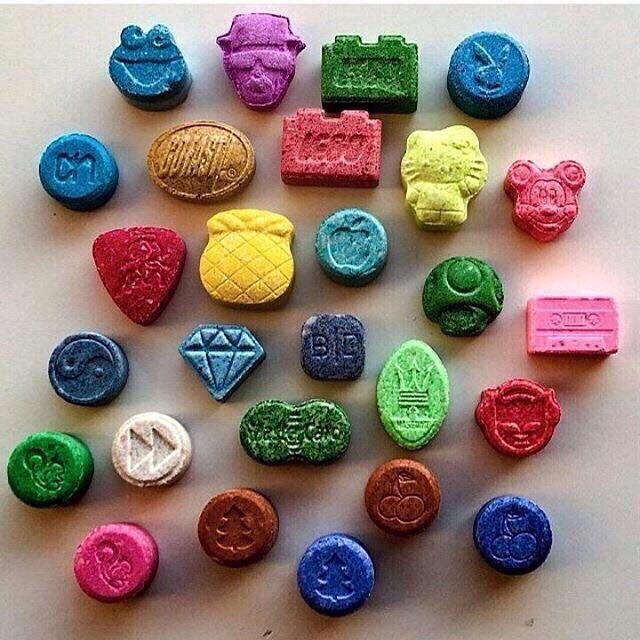
XTC 300mg is a street term typically referring to a tablet or capsule sold as ecstasy, most commonly containing MDMA (3,4-methylenedioxymethamphetamine). While the label may suggest a specific dose like “300mg,” the reality is far more complex—and often dangerous—because these products are unregulated, unpredictable, and frequently misrepresented.
This guide explains what XTC is, what a “300mg” dose implies, its effects, risks, and why caution is critical.
What Is XTC (Ecstasy)?
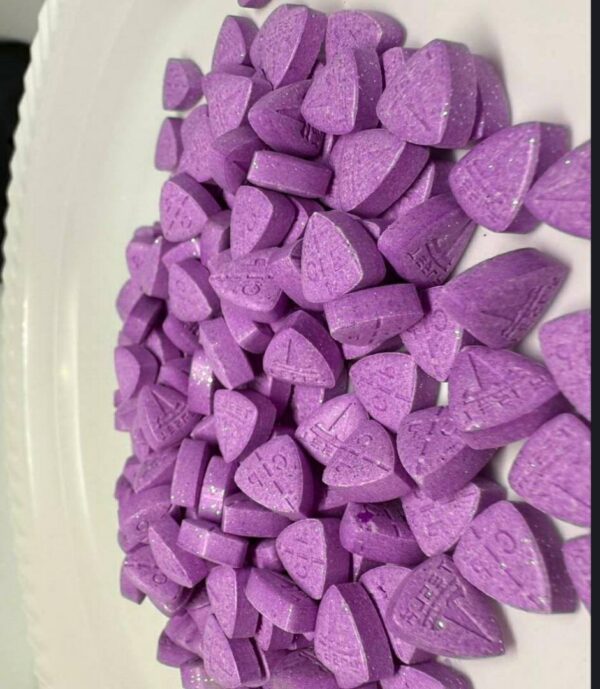
XTC 300mg: Everything You Need to Know. XTC, or ecstasy, usually refers to MDMA, a synthetic psychoactive substance that affects mood, energy, and perception. It is commonly associated with recreational use in nightlife or party settings due to its euphoric and stimulant-like effects.
MDMA primarily increases the activity of three key brain chemicals:
- Serotonin (mood, happiness, emotional bonding)
- Dopamine (pleasure and reward)
- Norepinephrine (energy and alertness)
However, street-sold “XTC pills” are rarely pure MDMA. They may contain:
- Synthetic cathinones (“bath salts”)
- Methamphetamine
- Caffeine
- Fentanyl (in rare but extremely dangerous cases)
- Other unknown fillers or chemicals
This unpredictability is one of the biggest risks.
What Does “300mg” Mean?
A label like “XTC 300mg” is often misleading. In legitimate pharmaceutical contexts, dosage is controlled and verified. On the street, however:
- The actual MDMA content may be far lower or higher than stated
- Pills may not contain MDMA at all
- Multiple substances may be pressed into one tablet
To put it into perspective, even in clinical research settings, MDMA doses are typically far below 300mg. A pill marketed as “300mg” is generally considered very high-risk, especially if taken without knowing its true composition.
Effects of MDMA (Ecstasy)
People who take MDMA often report both psychological and physical effects.
Short-term effects may include:
- Intense euphoria (“high” feeling)
- Increased emotional warmth and empathy
- Enhanced sensory perception (music, lights, touch)
- Increased energy and alertness
- Reduced anxiety or inhibitions
Physical effects may include:
- Increased heart rate and blood pressure
- Jaw clenching or teeth grinding
- Sweating and dehydration risk
- Dilated pupils
- Nausea or loss of appetite
These effects usually begin within 30–60 minutes and can last several hours.
The Reality of High-Dose Pills (Like “300mg”)
Higher doses do not simply mean “stronger fun”—they significantly increase risk.
A high or unknown dose can lead to:
- Overheating (hyperthermia)
- Severe dehydration or dangerous overhydration
- Panic attacks or severe anxiety
- Confusion and disorientation
- Rapid heartbeat and cardiovascular stress
In extreme cases, it may contribute to medical emergencies such as seizures, organ failure, or serotonin toxicity.
Risks and Dangers
1. Overheating (Hyperthermia)
MDMA can interfere with the body’s ability to regulate temperature, especially in crowded or high-energy environments. This can become life-threatening quickly.
2. Dehydration or Water Toxicity
Some users overcompensate by drinking too much water, which can dangerously dilute sodium levels in the blood.
3. Adulteration (Unknown Chemicals)
One of the biggest dangers of XTC pills is that they may not contain MDMA at all. Substitutes can be far more toxic or unpredictable.
4. Mental Health Effects
After use, some individuals experience:
- Low mood or “comedown” depression
- Irritability
- Anxiety
- Sleep disruption
This is linked to temporary depletion of serotonin levels in the brain.
5. Risk of Dependence
While MDMA is not considered highly physically addictive, repeated use can lead to psychological dependence or compulsive behavior in some individuals.
Long-Term Concerns
Frequent or heavy use of MDMA may be associated with:
- Memory and concentration issues
- Mood instability
- Reduced emotional regulation
- Sleep disturbances
- Possible long-term serotonin system changes
Research is still ongoing, but repeated high-dose exposure is generally considered risky for brain health.
Signs of an Emergency
If someone has taken an unknown substance like “XTC 300mg,” watch for warning signs such as:
- Extremely high body temperature
- Severe confusion or agitation
- Chest pain or irregular heartbeat
- Fainting or loss of consciousness
- Seizures
- Severe vomiting
These require immediate medical attention.
Legal Status
In most countries, including the United States, MDMA is classified as a Schedule I controlled substance, meaning:
- It is illegal to manufacture, possess, or distribute outside approved research contexts
- It is considered to have high abuse potential and no accepted medical use in standard treatment settings (though research is ongoing)
Possession or distribution can carry serious legal consequences.
Why “300mg” Labeling Is Especially Concerning
A tablet labeled “300mg” raises several red flags:
- It may be inaccurately dosed or completely fake
- It could contain multiple psychoactive substances
- It may be significantly stronger than expected
- It increases risk of overdose-like reactions
Because there is no quality control in illegal production, users have no reliable way of knowing what they are taking.
Harm Reduction Awareness (Important Safety Information)
While avoiding illicit drug use is the safest option, harm reduction knowledge can reduce risks in real-world scenarios:
- Avoid mixing unknown substances with alcohol or other drugs
- Be aware that pills may not contain what they claim
- Recognize early signs of overheating or distress
- Seek medical help immediately if symptoms become severe
- Understand that environment (heat, crowds, physical activity) can increase danger
Final Thoughts
“XTC 300mg” is not a standardized or medically regulated product—it is a street label that often hides significant uncertainty about what is actually inside. While MDMA is known for producing euphoric and empathogenic effects, the risks associated with unregulated high-dose tablets are serious and sometimes life-threatening.
The most important thing to understand is that with substances like these, uncertainty is the biggest danger. Without controlled manufacturing, accurate dosing, or safety oversight, even a single pill can carry unpredictable consequences.
If you or someone else is struggling with substance use or has concerns about drug safety, speaking with a healthcare professional or local support service is always the safest step forward.
