
Blog
How’s Oxycodone K56 Different From Other Pills

Jun
How’s Oxycodone K56 Different From Other Pills
How’s Oxycodone K56 Different From Other Pills. When people search for information about prescription medications, they often come across pill codes and wonder what they mean. One code that frequently raises questions is Oxycodone K56. Understanding how this medication differs from other pills is important because appearance alone does not explain how a medicine works, its strength, or whether it is appropriate for a particular situation.
This guide explains what Oxycodone K56 is, how it compares with other medications, and why proper medical guidance matters when using prescription pain relief.
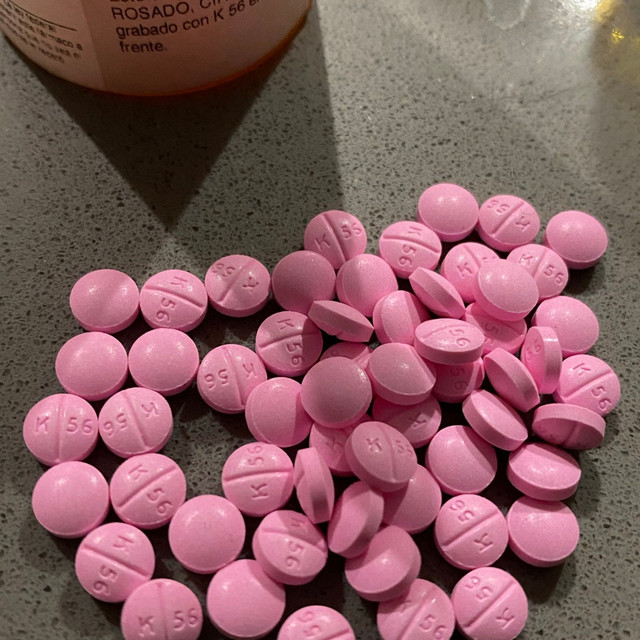
What Is Oxycodone K56?
Oxycodone K56 refers to a specific tablet identification marking used on certain oxycodone products. Oxycodone itself is a prescription opioid medication commonly prescribed for the management of moderate to severe pain.
Opioids work by interacting with receptors in the brain and nervous system that help reduce the perception of pain. Because of their effects, these medications are typically used under medical supervision and only for approved treatment plans.
The imprint code on a pill helps identify the manufacturer, dosage, and formulation. However, the imprint alone does not determine whether a medication is suitable for someone’s condition.
Why Pill Identification Matters
Many prescription medications can appear similar in color, shape, or size. Pill identifiers such as numbers and letters help healthcare professionals and patients distinguish between products.
People sometimes assume that if two pills look alike, they produce the same effects. In reality, medications can differ in:
- Active ingredients
- Dosage strength
- Release mechanism
- Intended medical use
- Duration of effect
- Potential side effects
Understanding these differences can help reduce confusion and support safer medication use.
How Oxycodone K56 Differs From Other Pills
1. Active Ingredient
One of the biggest differences is the active ingredient itself.
Oxycodone contains an opioid analgesic designed specifically for pain management. Other common pain-relief medications may contain completely different ingredients and work through different biological pathways.
For example:
- Acetaminophen helps reduce pain and fever
- NSAIDs reduce inflammation and pain
- Combination medications may include multiple ingredients
Even when pills are prescribed for similar symptoms, their mechanisms can be very different.
2. Strength and Dosage
Prescription medications often come in multiple strengths.
A pill’s dosage determines how much active ingredient it contains. Two pills that contain oxycodone may still differ significantly depending on strength.
Dosage differences can influence:
- Duration of pain relief
- Side effect profile
- Treatment planning
- Frequency of administration
This is one reason healthcare providers determine the appropriate medication and dose based on an individual’s medical situation.
3. Immediate-Release vs. Extended-Release Formulations
Not all oxycodone products work the same way.
Some formulations are designed to release medication more quickly, while others release medication gradually over time.
These differences may affect:
- How quickly effects begin
- How long effects last
- How often medication is taken
Because formulations vary, medications should only be used exactly as prescribed.
4. Purpose and Intended Use
Different medications serve different purposes.
While oxycodone is generally prescribed for pain management, other pills that may appear similar could be intended for:
- Inflammation reduction
- Fever control
- Muscle relaxation
- Nerve-related discomfort
- Other medical conditions
This is why medication decisions should never be based on appearance alone.
Appearance Doesn’t Tell the Full Story
Many people compare pills based on:
- Shape
- Color
- Markings
- Packaging
Although these characteristics help identify products, they do not indicate effectiveness, safety, or suitability.
A small white tablet and a larger colored tablet can produce entirely different effects depending on their ingredients and formulation.
Medication labels, official pharmacy instructions, and healthcare guidance remain the most reliable sources of information.
Important Considerations Before Taking Any Prescription Medication
Whether discussing oxycodone or any other prescription medication, there are a few general principles worth remembering.
Follow Prescribing Instructions
Prescription medications are typically prescribed with specific directions regarding:
- Timing
- Dosage
- Duration of use
- Food considerations
Following instructions helps reduce unnecessary risks and supports appropriate treatment.
Avoid Self-Comparison of Medications
People sometimes compare medications based on online discussions or appearance. However, what works in one situation may not be suitable in another.
Medical history, current treatments, allergies, and treatment goals all influence medication decisions.
Be Aware of Side Effects
Every medication may have potential side effects.
If someone experiences unexpected symptoms or has questions about how a medication affects them, consulting a qualified healthcare professional is important.
Store Medications Responsibly
Prescription medications should generally be stored:
- In original packaging
- Away from moisture and heat
- Out of reach of children and pets
- According to label instructions
Proper storage helps maintain product quality and reduces accidental use.
Common Misconceptions About Pill Identification
“If the pill looks different, it must be different.”
Not always. Manufacturers can produce medications that vary in appearance while containing the same active ingredient.
“A stronger-looking pill works better.”
Appearance does not indicate effectiveness.
“Online photos are enough for identification.”
Images may not provide accurate identification. Professional confirmation is the safest approach if there is uncertainty.
Final Thoughts
Oxycodone K56 differs from other pills based on more than just its appearance or imprint code. Factors such as the active ingredient, dosage, formulation, intended use, and prescribing guidance all play an important role in understanding how a medication works.
Pill markings are useful for identification, but they should not replace professional medical advice or individualized treatment decisions. When questions arise about any prescription medication, the safest approach is to consult a pharmacist or licensed healthcare professional for accurate guidance.
